
Event
Diwali 2024 UK: Complete Guide to Events and Festivals

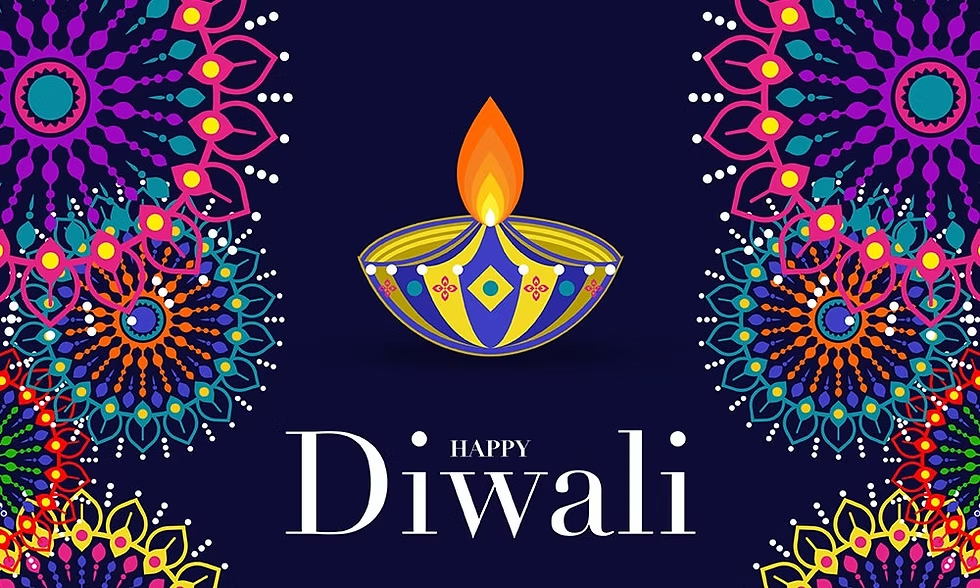
Diwali 2024 UK: Complete Guide to Events and Festivals
Diwali, the festival of lights, is one of the most eagerly awaited celebrations across the globe, and in the United Kingdom, the excitement is palpable. Diwali 2024 UK promises to be bigger and brighter than ever, with a blend of traditional rituals, modern festivities, and community gatherings that capture the essence of this vibrant festival. Whether you’re a long-time resident or visiting for the first time, knowing where and how to celebrate will make your experience truly memorable.
In this comprehensive guide, we explore everything from the historical significance of Diwali to top events, city-specific celebrations, food, and family-friendly activities. By the end, you’ll be fully equipped to enjoy Diwali 2024 UK like a local.
What is Diwali and Why It’s Celebrated
Diwali, also called Deepavali, is a Hindu festival symbolizing the victory of light over darkness and good over evil. Traditionally, it celebrates the return of Lord Rama to Ayodhya after defeating Ravana, and it also honors Goddess Lakshmi, the deity of wealth and prosperity. Over centuries, Diwali has grown to include people from multiple faiths, becoming a cultural celebration that unites communities.
In the UK, Diwali 2024 UK brings this rich heritage to life with temple ceremonies, firework displays, and vibrant markets that emulate the colorful streets of India. The festival usually spans five days, with the third day being the main event when families light diyas (oil lamps) and decorate homes with rangoli patterns.
Key Dates for Diwali 2024 UK
For planning purposes, here are the key dates you need to mark in your calendar:
| Date | Occasion |
|---|---|
| November 1, 2024 | Dhanteras – Shopping & Preparation Day |
| November 2, 2024 | Naraka Chaturdashi – Rituals and Prayers |
| November 3, 2024 | Diwali Main Day – Lighting, Fireworks, and Feasts |
| November 4, 2024 | Govardhan Puja – Family Celebrations |
| November 5, 2024 | Bhai Dooj – Honoring Sibling Bonds |
Planning ahead is crucial, as popular Diwali 2024 UK events often sell out quickly, especially fireworks displays and cultural shows.
Top Cities Celebrating Diwali 2024 in the UK
London
London is arguably the heart of Diwali 2024 UK celebrations. Southall, Wembley, and Trafalgar Square host some of the largest gatherings with traditional music, dance performances, and fireworks. The famous Diwali in London festival draws over 30,000 visitors annually, offering a feast of street food, stalls, and family-friendly activities.
Leicester
Leicester has a strong Indian community and hosts one of the most authentic Diwali experiences in the UK. From temple rituals to community fairs, you’ll find an immersive cultural experience here. The Golden Mile lights up spectacularly, and local markets sell traditional sweets and gifts.
Birmingham
Birmingham’s celebrations focus on both family and community events. Local temples and community centers organize educational workshops, storytelling sessions, and Diwali craft fairs, making it ideal for families with children.
Manchester
Manchester hosts Diwali events with an emphasis on music and cultural performances. Expect live bhangra performances, dance competitions, and food festivals that showcase both regional Indian cuisines and fusion dishes.
Glasgow & Edinburgh
Scotland is catching up with its Diwali celebrations, with Glasgow and Edinburgh offering smaller but vibrant community gatherings. Fireworks, temple visits, and workshops are common highlights.
Popular Events and Festivals
Diwali 2024 UK is packed with events catering to every interest. Here are the most anticipated ones:
- Fireworks Displays: Iconic in London and Leicester, these night-time spectacles light up the sky in colors reminiscent of traditional Indian festivities.
- Cultural Shows: Music, dance, and drama performances that tell the story of Diwali, often featuring local talent.
- Food Festivals: Street food stalls selling samosas, jalebi, paneer tikka, and more. Vegetarian options dominate, reflecting traditional Diwali cuisine.
- Workshops and Craft Fairs: Rangoli competitions, diya painting sessions, and henna workshops perfect for families and enthusiasts.
- Temple Ceremonies: Visit Hindu, Sikh, and Jain temples for authentic rituals and prayers.
Tips for Attending Events
- Arrive early to secure a good spot, especially for fireworks.
- Dress in traditional attire if attending temple events.
- Check for ticket requirements for major festivals like Diwali in London.
- Use public transport, as parking can be limited in popular areas.
Traditional Diwali Food in the UK
No Diwali celebration is complete without food. Popular treats include:
- Sweets: Gulab jamun, ladoo, barfi, and jalebi.
- Snacks: Samosa, pakora, and chakli.
- Main Dishes: Paneer tikka, dal makhani, biryani, and naan.
Many UK restaurants and community centers offer special Diwali menus, so exploring these is a must during Diwali 2024 UK.
Family-Friendly Activities
Families can enjoy a variety of activities during Diwali 2024 UK:
- Diya Lighting Ceremonies: Kids love decorating diyas with bright colors and placing them around homes.
- Rangoli Competitions: Schools and community halls host creative contests for children.
- Storytelling Sessions: Learn about the mythology behind Diwali through interactive storytelling.
- Craft Workshops: Create lanterns, greeting cards, and traditional decorations.
These experiences make Diwali a hands-on festival for the younger generation, keeping traditions alive.
Shopping for Diwali 2024 UK
Diwali shopping is as festive as the celebrations. Key items to purchase include:
- Diyas and candles
- Rangoli powders
- Traditional outfits like sarees, lehengas, and kurta sets
- Sweets and festive gift hampers
High streets, Indian stores, and online platforms all see a surge in sales, so planning ahead ensures you get the best deals.
Safety Tips for Diwali
While Diwali 2024 UK is fun, safety is crucial:
- Supervise children with fireworks.
- Avoid overcrowded areas during peak hours.
- Follow local firework safety regulations.
- Use biodegradable diyas and eco-friendly decorations when possible.
Safety ensures that the festival remains enjoyable for everyone.
Conclusion
Diwali 2024 UK is more than just a festival; it’s an experience that brings communities together, lights up cities, and fills hearts with joy. From London to Leicester, from fireworks to cultural performances, the festival captures the essence of tradition while embracing modern celebrations. Planning ahead, exploring events, and immersing yourself in the culture will make this Diwali unforgettable. Share your experiences, try new foods, and participate in family activities to truly enjoy Diwali 2024 UK.

Rekhachithram: A Forgotten Art of Lines and Legacy
In the vast and vibrant tapestry of Indian art, countless styles have flourished—each telling its story through brush strokes, vibrant hues, or intricate carvings. Among these, one lesser-known yet profoundly captivating form is rekhachithram. Derived from two Sanskrit-origin words—rekha (line) and chithram (picture or image)—this art style emphasizes the expressive power of lines over color and complexity.
Though overshadowed in mainstream narratives, rekhachithram holds a vital place in traditional Indian aesthetics. It’s not just an art form—it’s a philosophy, a spiritual exercise, and a medium of timeless storytelling.
What is Rekhachithram?
Rekhachithram can be understood as a minimalist form of artistic expression, where entire compositions are crafted using lines—without the aid of shading, coloring, or elaborate detailing. The focus remains on the rhythm, fluidity, and emotion that each line carries.
This technique is especially common in:
-
Temple murals
-
Ancient manuscripts
-
Palm-leaf illustrations
-
Spiritual or mythological storytelling
These line-based artworks were often used in religious texts or scrolls, portraying deities, moral tales, and symbols that communicated deep meaning without the need for ornate elements.
Origins and Cultural Significance
Historical Roots
The earliest examples of rekhachithram are found in Southern India, particularly in regions of Kerala and Tamil Nadu. These illustrations date back to centuries-old manuscripts and temple inscriptions. Instead of using full-color paintings, sages and scribes would depict mythological stories using finely drawn lines on palm leaves (known as Ola Chithram).
A Sacred Tool for Expression
More than mere drawings, rekhachithram was considered a sacred tool. Each curve was drawn with intention, often during meditative rituals. The lines symbolized the cosmic balance between chaos and harmony—a central concept in many Indian philosophies.
In tantric traditions, certain rekhachithram drawings were believed to carry spiritual energy, much like yantras or mandalas. These geometric compositions made solely with lines were seen as representations of the divine.
Technique and Style
The Language of Line
The beauty of rekhachithram lies in its simplicity. Artists relied on the flow of a single line to create complex shapes—much like calligraphy. No line was drawn twice. This required a deep understanding of movement, balance, and symmetry.
Often, a single illustration could depict:
-
Human emotions through curved lines
-
Animals in motion with rhythmic strokes
-
Mythological scenes using symbolic geometry
Materials Used
While modern artists may use pens or styluses, traditional rekhachithram artists used:
-
Stylus pens on palm leaves
-
Natural inks made from plant-based dyes
-
Fine brushes carved from animal hair or bamboo
Even the medium mattered—many drawings were etched into palm leaves or handmade paper, with the focus on longevity and spiritual purity.
Rekhachithram in Contemporary Art
A Revival Movement
While rekhachithram faded from the mainstream with the rise of Western art influences and digital illustrations, it has seen a revival in recent years. Contemporary Indian artists and art historians have started re-exploring this form, not just for its aesthetic appeal but for its meditative quality.
Workshops are now being held across India—especially in Kerala and Karnataka—teaching new generations about the line-art techniques of their ancestors. Online platforms have also played a role in sharing these ancient illustrations with global audiences.
Digital Transformation
Digital tools have introduced new possibilities for rekhachithram. Modern artists can now:
-
Create vector line art mimicking traditional styles
-
Use animation to bring static rekhachithram figures to life
-
Overlay spiritual chants or music to give interactive depth
While this may seem like a departure from tradition, it aligns with the core essence of rekhachithram: narrative through motion, even in stillness.
Rekhachithram in Indian Cinema
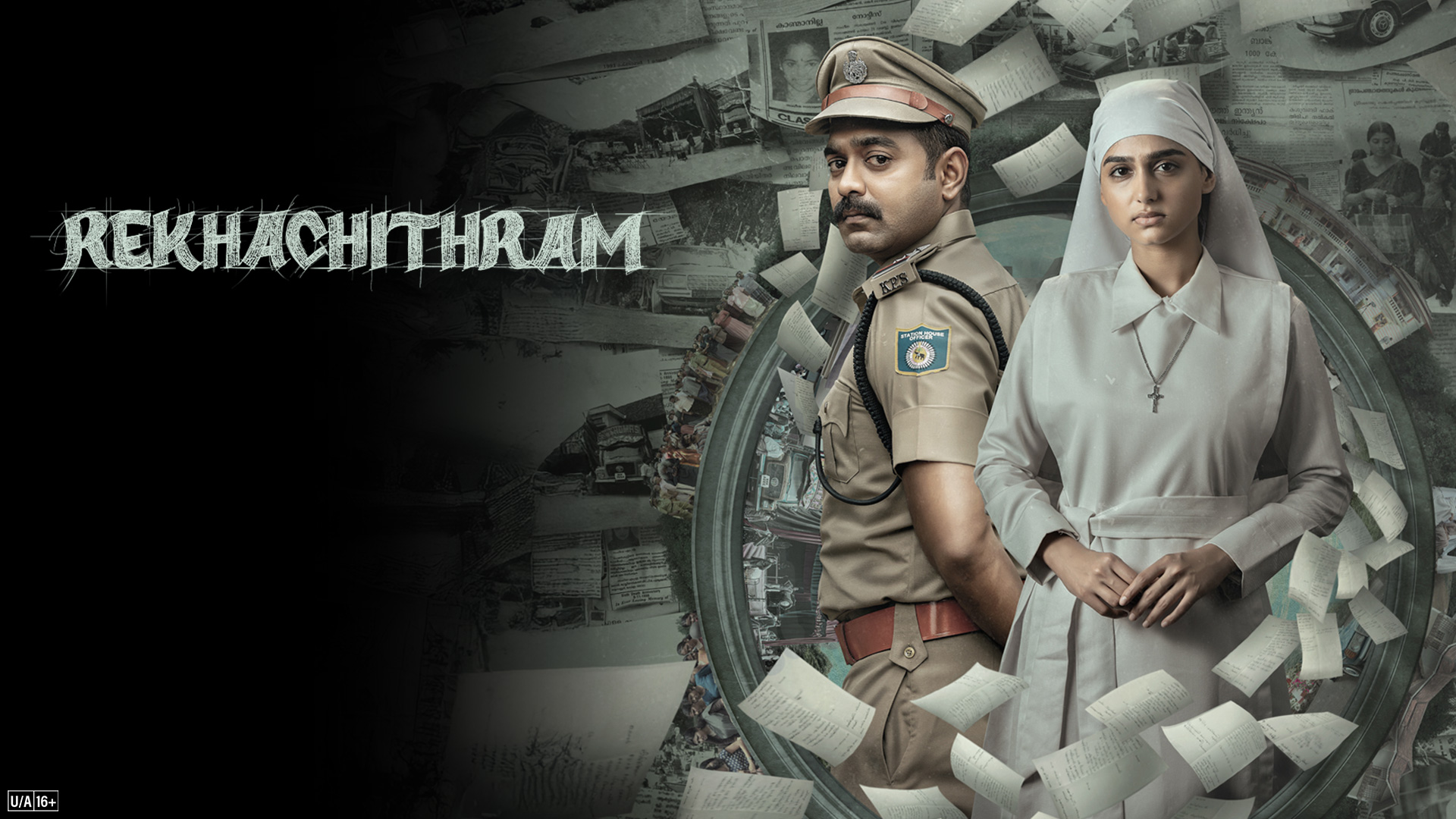
Interestingly, the term rekhachithram was also used in Indian film titles, most notably in a Malayalam film from the late 20th century. While the film itself may not be directly linked to the art form, the usage of the word highlights how deeply embedded this concept is in South Indian linguistic and artistic culture.
In cinema, as in line art, every frame tells a story. Each shot—like a stroke of a pen—contributes to the overall picture. This philosophical overlap makes the term rekhachithram both literal and metaphorical in nature.
Symbolism and Deeper Meaning
Lines as Life
In Hindu philosophy, the idea that life itself is a series of lines—birth to death, karma, dharma—is deeply rooted. Rekhachithram aligns with this belief, visually representing the soul’s journey through artistic metaphor.
Each line drawn is irreversible, just like actions in life. This teaches artists discipline, patience, and mindfulness—qualities that transcend art and seep into personal growth.
Minimalism as Power
In a world obsessed with detail and perfection, rekhachithram reminds us that beauty often lies in restraint. The lack of color, the absence of depth, and the simplicity of form paradoxically allow for deeper engagement.
This minimalist approach influences not just visual art but also poetry, design, and spiritual literature throughout Indian culture.
Notable Rekhachithram-Inspired Artists
Though not mainstream, several Indian artists have embraced rekhachithram-inspired techniques in recent decades:
-
Sethu Nair (Kerala): Known for his intricate line renderings of deities and temple rituals.
-
Revathi Rajan (Tamil Nadu): Uses line art in modern storytelling, blending folklore with feminist narratives.
-
Pranav Acharya (Karnataka): Digital rekhachithram artist creating spiritual animations based on Vedic stories.
These artists keep the flame of rekhachithram alive—not by replicating the past, but by evolving it with integrity.
Learning Rekhachithram Today
How You Can Start
Interested in learning rekhachithram? Here’s how:
-
Start with Sketchbooks – Practice creating images using only lines. Avoid erasing. Embrace flow.
-
Study Ancient Manuscripts – Look at palm-leaf illustrations and decode the stroke techniques.
-
Take Online Courses – Platforms like Skillshare or niche Indian art academies offer beginner-friendly tutorials.
-
Join Communities – Social media groups and forums dedicated to Indian heritage art can provide support and inspiration.
Mental Benefits
Many who practice rekhachithram find it therapeutic. It enhances:
-
Concentration and mindfulness
-
Hand-eye coordination
-
Artistic intuition
-
Emotional clarity
It’s not just an art form; it’s a calming ritual—something we all could use in our fast-paced lives.Rekhachithram in the Global Lens
As the world leans toward mindfulness and minimalism, rekhachithram is gaining attention for its spiritual depth and elegant simplicity. International art exhibitions now showcase Indian line art as a symbol of meditative expression.
With growing interest in Eastern philosophies, especially those focusing on conscious living, rekhachithram holds the potential to bridge cultural gaps—inviting global audiences into the sacred world of Indian visual storytelling.
Conclusion: Rekhachithram—The Silent Song of the Line
In a world where noise dominates, rekhachithram whispers. Through its elegant lines, it tells stories older than time—of gods and mortals, nature and soul, movement and stillness. It challenges us to see the extraordinary in the ordinary and to embrace the power of simplicity.
Whether you’re an artist, a spiritual seeker, or simply a lover of culture, rekhachithram invites you into a meditative dialogue—where every line is a life, and every stroke is a step toward understanding.
Reclaim this forgotten legacy. Let your pen draw not just shapes, but stories. Let your lines be rekhachithrams.

Diwali 2024 UK: Complete Guide to Events and Festivals

Cher Singer: 7 Secrets Behind Her Legendary Career

Stephen Mulhern Wife: Everything You Need to Know

Lizzo Weight Loss: A Journey of Empowerment and Self-Love

Kuromi: The Mischievous Icon of Kawaii Culture

عيد الاضحى 2025: A Celebration of Faith, Sacrifice, and Unity
-
 Lifestyle10 months ago
Lizzo Weight Loss: A Journey of Empowerment and Self-Love
-
 Game10 months ago
Kuromi: The Mischievous Icon of Kawaii Culture
-
 Events10 months ago
عيد الاضحى 2025: A Celebration of Faith, Sacrifice, and Unity
-
 Celebrity9 months ago
The Enchanting World of the Labubu Doll: A Collectible Phenomenon
-

 Game10 months ago
Bubble Mouse Blast: The Addictive Puzzle Game Captivating Players Worldwide
-
 Politics8 months ago
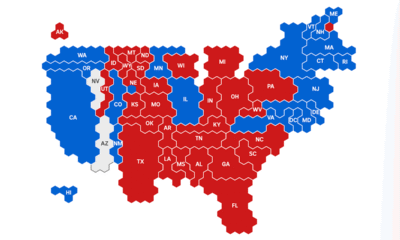
2024 US Election Results Trump’s Comeback & Political Impact
-

 Celebrity10 months ago
The Rise, Fall, and Legacy of Frank Fritz: A Journey Through Fame and Adversity
-

 Lifestyle8 months ago
Auggie Savage: Rise, Career Journey, and Inspiring Story