
News
Universal Credit News: What Claimants Need to Know Now


Universal Credit News: What Claimants Need to Know Now
For millions of people across the UK, universal credit news is not just another headline. It directly affects rent payments, food budgets, work decisions, and daily stability. Even small policy shifts can have real consequences, which is why keeping up with universal credit news matters more than ever. The challenge, however, is separating meaningful updates from political noise and understanding what actually applies to real households.
This guide breaks down universal credit news in a clear, human way. It focuses on what claimants genuinely need to understand right now, how recent directions may affect everyday life, and how to respond with confidence rather than anxiety.
What Universal Credit is meant to do
Universal Credit was designed to simplify the welfare system by replacing several legacy benefits with one monthly payment. In theory, it aims to make transitions into work smoother and provide a clearer structure for support.
The core idea
Universal Credit combines support for
-
Housing costs
-
Basic living expenses
-
Children and childcare
-
Disability or health conditions
-
Low or unstable income
This structure means changes in income should adjust payments automatically. However, real life is rarely that simple, which is why universal credit news continues to evolve.
Why universal credit news keeps changing
Policy around Universal Credit is shaped by economic pressure, employment trends, and political priorities.
Cost of living pressures
Rising food prices, energy bills, and rent have pushed Universal Credit into constant review. Policymakers face pressure to adjust allowances, thresholds, and support mechanisms.
Labour market shifts
Changes in employment patterns, including insecure work and self-employment, affect how Universal Credit operates in practice.
Political accountability
Universal credit news often reflects broader debates about fairness, work incentives, and social responsibility.
Key themes dominating universal credit news
While specific announcements change, certain themes appear repeatedly.
Payment adequacy
Many claimants question whether current payments meet real living costs. This concern remains central to universal credit news.
Conditionality and work requirements
Rules around job searching, work coaches, and sanctions continue to evolve, affecting how claimants interact with the system.
Administrative efficiency
Delays, errors, and communication issues remain a focus, prompting ongoing adjustments.
How payments work under Universal Credit
Understanding payment structure helps make sense of the news.
Monthly assessment periods
Universal Credit is calculated monthly, based on income and circumstances during an assessment period. This design mirrors salaried work but can challenge those with fluctuating income.
Advance payments
New claimants can request advances, which are later repaid through deductions. Universal credit news often addresses how these repayments are managed.
Deductions and repayments
Deductions for advances, debts, or sanctions can reduce monthly income significantly. Knowing your statement details is essential.
Housing costs and rent support
Housing support remains one of the most sensitive areas.
Direct payments versus landlord payments
Most claimants receive housing support directly. However, some circumstances allow payment to landlords.
Gaps between rent and support
Local housing allowance rates may not fully cover rent, creating shortfalls. Universal credit news often highlights this tension.
Work incentives and earnings rules
Universal Credit aims to make work pay, but the reality can feel complex.
Work allowances
Some claimants can earn a certain amount before payments are reduced. This allowance depends on housing status and family circumstances.
Taper rate
After the allowance, payments reduce gradually as earnings increase. Changes to the taper rate frequently appear in universal credit news.
Health conditions and disability elements
Claimants with health conditions face additional processes.
Work capability assessments
These assessments determine whether someone must look for work or receives additional support.
Ongoing reviews
Universal credit news sometimes addresses reforms to assessment processes, reflecting criticism and appeals data.
Sanctions and compliance
Sanctions remain controversial.
Why sanctions are applied
Missing appointments or failing to meet work requirements can trigger reductions.
The debate around fairness
Critics argue sanctions deepen hardship, while supporters claim they encourage engagement. This debate drives much universal credit news.
Digital system challenges
Universal Credit relies heavily on online accounts.
Accessibility concerns
Not all claimants have reliable internet access or digital skills. This gap remains a recurring issue.
Communication clarity
Journal messages and automated updates can be confusing. Clear communication is a frequent demand in universal credit news discussions.
Universal Credit and families
Families experience Universal Credit differently.
Child elements
Support for children varies by family size and circumstances.
Childcare costs
Childcare support exists but often requires upfront payment, which can strain finances.
Self-employed claimants
Self-employment creates unique challenges.
Minimum income floor
This rule assumes a certain level of earnings, even if actual income is lower. Universal credit news regularly revisits this policy.
Seasonal work issues
Income fluctuations can lead to unpredictable payments.
Migrating from legacy benefits
Many claimants are moving from older benefits.
Managed migration
This process aims to move claimants gradually, with transitional protection in some cases.
Anxiety during transition
Fear of losing income makes universal credit news particularly important for those migrating.
Mental health and Universal Credit
The system’s complexity affects wellbeing.
Stress and uncertainty
Frequent changes and reviews create anxiety for many claimants.
Support networks
Advice services and community support play a crucial role in navigating universal credit news.
Common myths about Universal Credit
Myth: Universal Credit is always worse
Reality varies. Some households benefit, others struggle.
Myth: Changes apply instantly to everyone
Many changes apply gradually or only to new claims.
What claimants should do when news breaks
Staying informed is useful, but panic is not.
Check official guidance
Always confirm how changes apply to your situation.
Review your account
Small details can have big effects.
Seek advice early
Advice services can clarify complex updates.
How universal credit news affects long-term planning
Understanding trends helps households plan.
Budgeting with uncertainty
Flexible budgeting reduces risk.
Employment decisions
Knowing work rules helps avoid unexpected reductions.
Public debate and future direction
Universal Credit remains politically sensitive.
Calls for reform
Advocacy groups push for higher payments and simpler rules.
Government responses
Adjustments often balance cost with public pressure.
Comparing Universal Credit internationally
The UK’s approach differs from other systems.
Centralised digital model
Few countries rely so heavily on online management.
Conditionality levels
Work requirements vary widely across nations.
The human reality behind the policy
Statistics do not show lived experience.
Daily choices
Claimants make difficult decisions about food, heating, and transport.
Resilience and adaptation
Despite challenges, many navigate the system successfully.
What to watch next in universal credit news
Rather than chasing every headline, focus on
-
Payment rate discussions
-
Housing support adjustments
-
Work requirement reforms
-
Digital system improvements
These areas consistently shape outcomes.
Why universal credit news matters beyond claimants
Universal Credit affects communities, landlords, employers, and local economies. Understanding it benefits society as a whole.
Final thoughts on universal credit news
Universal credit news is about more than policy updates. It is about how decisions made at a national level reach into kitchens, workplaces, and families. Staying informed, asking questions, and seeking support when needed can turn uncertainty into manageable action. If this guide helped clarify current universal credit news, consider sharing it with others or commenting with the issues you believe deserve more attention.

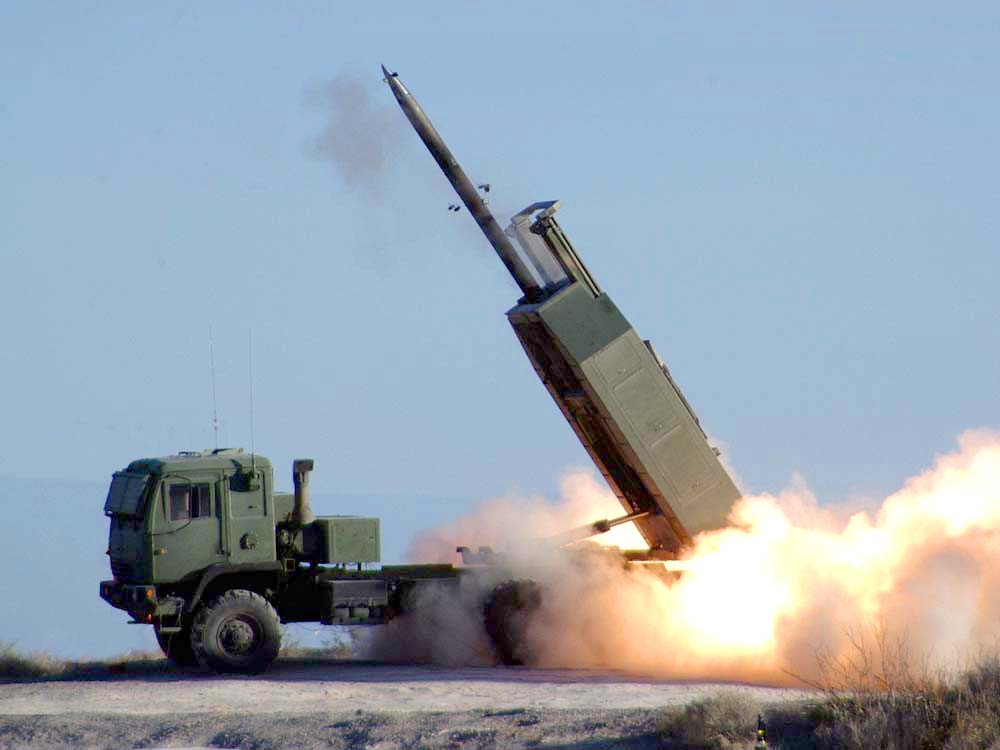
Russia-Jamming-HIMARS: A Deep Dive into Modern Electronic Warfare
Modern warfare is no longer fought solely with tanks, artillery, and infantry. Electronic warfare (EW) has emerged as one of the most decisive factors in determining the outcome of battles. Among the most discussed developments in recent conflicts is russia-jamming-himars, a phenomenon where Russian forces reportedly interfere with the targeting and guidance systems of U.S.-supplied HIMARS (High Mobility Artillery Rocket Systems) used by Ukraine.
This strategic move highlights not just the capabilities of the HIMARS system, but also the evolving sophistication of Russian electronic warfare tools. Understanding how this works, the implications it carries, and the possible countermeasures can provide insights into the future of armed conflicts.
Understanding HIMARS and Its Battlefield Role
The HIMARS system is a U.S.-manufactured mobile rocket launcher capable of delivering precision strikes at long ranges. Its advantages include:
-
High Mobility: Easily repositioned to evade counterstrikes.
-
Precision Targeting: GPS-guided munitions make it accurate within a few meters.
-
Rapid Deployment: Can be ready to fire within minutes.
In the Ukraine conflict, HIMARS has played a critical role in targeting Russian logistics, command centers, and ammunition depots. Its success has drawn significant attention, making it a prime target for electronic countermeasures.
The Concept of Electronic Jamming
Electronic jamming is the intentional emission of radio frequency signals to disrupt communications, radar, or weapon guidance systems. In the case of V, the primary goal is to interfere with GPS guidance, which is essential for the HIMARS’ precision strikes.
Jamming can be classified into several types:
-
Spot Jamming: Targets a single frequency to block signals.
-
Sweep Jamming: Rapidly shifts across frequencies to disrupt multiple channels.
-
Barrage Jamming: Floods a wide range of frequencies simultaneously.
For GPS-guided weapons, losing signal or receiving incorrect coordinates can result in a significant decrease in accuracy, potentially rendering strikes ineffective.
How Russia Allegedly Jams HIMARS
Reports from the battlefield suggest that Russia uses advanced electronic warfare units like the Krasukha-4 and R-330Zh Zhitel systems to disrupt GPS signals. These systems can:
-
Jam GPS frequencies used by HIMARS rockets.
-
Interfere with communications between operators and targeting systems.
-
Create “false signals” (spoofing) to mislead weapon guidance.
By deploying these systems near high-value targets, Russian forces can protect critical infrastructure and troops from precision strikes.
Tactical and Strategic Implications
The implications of russia-jamming-himars are far-reaching:
-
Reduced Effectiveness: A jammed HIMARS strike may miss its target, wasting valuable ammunition.
-
Operational Delays: Ukrainian forces may need to spend more time reconfirming targets.
-
Psychological Impact: Lower confidence in weapon systems can affect troop morale.
-
Adaptation Pressure: Forces must develop countermeasures, which requires resources and training.
For Russia, successful jamming not only protects assets but also demonstrates technological parity or superiority in electronic warfare—a powerful deterrent in itself.
Possible Countermeasures to Jamming
While jamming poses a serious challenge, militaries have several strategies to counter it:
-
Anti-Jamming Antennas: Specialized GPS antennas that can filter out interference.
-
Frequency Hopping: Rapidly changing communication frequencies to avoid detection.
-
Inertial Navigation Systems (INS): Backup navigation that uses gyroscopes and accelerometers.
-
Signal Encryption: Harder for enemy systems to detect and jam encrypted communications.
-
Decoys and Saturation Attacks: Overwhelming the enemy’s EW capacity with multiple simultaneous strikes.
In the long run, the key lies in integrating multiple guidance systems so that even if GPS is disrupted, precision is maintained.
Lessons from the Russia-Ukraine Conflict
The reported russia-jamming-himars incidents serve as a live demonstration of how electronic warfare can reshape modern combat. Key lessons include:
-
Technology Race: Both sides constantly upgrade systems to outpace the other’s capabilities.
-
Integration is Key: Combining electronic warfare, cyber capabilities, and kinetic attacks can yield superior results.
-
Mobility and Flexibility: Rapid movement of systems like HIMARS can help avoid prolonged exposure to jamming.
-
Training Matters: Operators must be prepared for contested environments where technology doesn’t work flawlessly.
The Future of Precision Weaponry in a Jamming Environment
The growing prevalence of electronic warfare suggests that future conflicts will place greater emphasis on anti-jamming technology. This could involve:
-
Hybrid guidance systems blending GPS, INS, and visual recognition.
-
Smaller, more mobile EW units capable of both offense and defense.
-
Artificial intelligence to predict and adapt to enemy jamming patterns in real time.
Military planners worldwide are likely taking note of the Ukraine conflict, adjusting doctrines to ensure precision strike capabilities remain viable in a GPS-denied environment.
The Broader Geopolitical Impact
The effectiveness of russia-jamming-himars not only influences tactical outcomes on the battlefield but also has broader political and strategic consequences:
-
NATO’s Strategic Planning: NATO allies must consider the vulnerability of GPS-guided systems in contested zones.
-
Arms Development Priorities: Funding may shift toward anti-jamming technology.
-
Export and Training Considerations: Countries receiving systems like HIMARS will need robust EW counter-training.
This dynamic also impacts arms trade negotiations, as buyers seek assurances that expensive weapons remain effective against top-tier electronic warfare.
Final Thoughts
The phenomenon of russia-jamming-himars underscores a key truth about modern warfare: no weapon system is invincible. Precision strike capabilities like HIMARS have transformed battlefields, but their effectiveness can be challenged by advanced electronic warfare.
Success in future conflicts will depend on adaptability—on the ability of military forces to evolve tactics, technology, and training to overcome adversaries who can disrupt even the most advanced weapons.
While the HIMARS remains a formidable asset, its continued dominance will rely on developing and deploying robust countermeasures to ensure that precision strikes stay precise, even under the shadow of sophisticated jamming.

Chroming: Understanding the Risks and Raising Awareness
Chroming has emerged as a troubling and dangerous trend that poses severe health and safety risks, particularly among teenagers and young adults. While the name might sound harmless to those unfamiliar with the practice, it refers to a form of substance abuse with potentially life-threatening consequences. By understanding what chroming is, why it is dangerous, and how it can be prevented, communities can take proactive steps to protect vulnerable individuals from its harmful effects.
What is Chroming?
Chroming is the act of inhaling fumes from aerosol products, spray paints, or other volatile substances to achieve a short-lived high. The name originates from the shiny chrome paint often used in the practice, but it can involve a variety of inhalants. This method of substance abuse has been reported in several countries and is increasingly becoming a public health concern.
Individuals who engage in chroming often inhale fumes directly from containers, plastic bags, or cloths soaked with the substance. The chemicals involved are extremely toxic and can cause immediate and long-term damage to the body, even after a single session. Despite its dangers, some young people experiment with chroming out of curiosity, peer pressure, or a lack of understanding about the risks involved.
Why Chroming is Extremely Dangerous
Chroming is not just another form of recreational drug use—it is particularly hazardous because it involves inhaling highly concentrated chemicals that the body is not equipped to handle. These chemicals can enter the bloodstream rapidly through the lungs, affecting the brain and vital organs almost instantly.
Some of the most serious health risks include:
-
Sudden Sniffing Death Syndrome (SSDS): A single inhalation can cause irregular heart rhythms, leading to sudden death without warning.
-
Brain Damage: Toxic chemicals can destroy brain cells, resulting in permanent cognitive impairment.
-
Organ Failure: Prolonged exposure damages the liver, kidneys, and respiratory system.
-
Loss of Coordination: Short-term effects include dizziness, slurred speech, and impaired judgment, which can lead to accidents.
-
Addiction: Although inhalants may not cause the same physical dependence as other substances, psychological addiction can develop quickly.
The fact that chroming products are often everyday household items makes the danger even more alarming, as access is much easier compared to other illicit substances.
Warning Signs of Chroming
Recognizing the warning signs of chroming can help parents, teachers, and friends intervene before it’s too late. Some of the most common indicators include:
-
Chemical Smell: A lingering odor of paint, solvents, or aerosols on clothing or breath.
-
Paint or Stains: Traces of paint around the mouth, nose, or fingers.
-
Behavioral Changes: Sudden mood swings, irritability, or withdrawal from friends and family.
-
Health Symptoms: Headaches, nausea, dizziness, and unexplained nosebleeds.
-
Unusual Possessions: Empty spray cans, solvent containers, or paint-soaked rags found among personal belongings.
The earlier chroming is identified, the higher the chances of preventing long-term harm.
The Psychological Factors Behind Chroming
Many individuals who turn to chroming do so because they are seeking an escape from stress, boredom, or emotional pain. Adolescents are especially vulnerable due to peer influence and the natural curiosity that comes with youth. In some cases, young people are unaware that the practice could be fatal.
Social environments where substance use is normalized can make chroming seem less dangerous than it is. Unfortunately, this perception is far from the truth. Education plays a key role in addressing these misconceptions and providing healthier coping strategies.
The Role of Social Media in Spreading the Trend
Social media platforms have contributed to the spread of chroming by exposing impressionable audiences to videos and posts that trivialize the practice. These portrayals often leave out the devastating consequences, instead focusing on the short-term effects or framing the act as a form of rebellion or entertainment.
The viral nature of such content can quickly normalize dangerous behavior. For this reason, it is essential for parents and guardians to monitor online activity and have open discussions about the risks of trends like chroming.
Preventing Chroming Through Education and Communication
Prevention begins with awareness. Parents, educators, and community leaders must work together to provide accurate information about the dangers of chroming before curiosity turns into experimentation.
Effective prevention strategies include:
-
Open Dialogue: Encourage honest conversations about substance abuse without judgment, so teens feel comfortable seeking help.
-
School Programs: Incorporate information on inhalant abuse into health and drug education curricula.
-
Parental Involvement: Monitor the accessibility of household products that can be misused.
-
Peer Education: Empower young people to speak out against risky behaviors and support friends in making safe choices.
-
Community Campaigns: Use posters, workshops, and local media to raise awareness of the dangers.
By combining these approaches, communities can reduce the likelihood that young people will engage in chroming.
Treatment Options for Chroming Addiction
When someone has already developed a habit of chroming, professional intervention may be necessary. Treatment often involves a combination of medical care, counseling, and behavioral therapy.
-
Detoxification: Clearing the body of harmful chemicals under medical supervision.
-
Cognitive Behavioral Therapy (CBT): Addressing the underlying thought patterns and behaviors that lead to substance abuse.
-
Support Groups: Providing a safe space to share experiences and receive encouragement from others who understand the struggle.
-
Family Counseling: Helping family members learn how to support recovery and create a stable environment.
Recovery from chroming can be challenging due to the accessibility of the substances, but with persistence and the right support, it is possible.
The Global Response to Chroming
Different countries have taken various approaches to addressing the issue. In some regions, governments have implemented restrictions on the sale of certain aerosol products to minors. Others have focused on educational campaigns aimed at schools and community centers.
For example:
-
Australia: Some states have enforced age limits for purchasing spray paints.
-
United Kingdom: Campaigns have targeted youth with real-life stories from those affected by inhalant abuse.
-
United States: Non-profit organizations work with schools to provide educational materials on the risks of chroming.
These strategies highlight the importance of collective action, combining policy, education, and community involvement.
A Shared Responsibility
The fight against chroming is not the responsibility of one group alone. Parents, educators, health professionals, and policymakers must collaborate to create a culture where harmful trends are met with strong, informed resistance. This includes addressing the social and emotional needs of young people so they do not feel the need to seek escape through dangerous practices.
If communities remain vigilant and committed to prevention, countless lives can be saved from the devastating consequences of chroming.
Final Thoughts
Chroming may appear to some as a fleeting, harmless thrill, but the reality is far more dangerous. It is a toxic and life-threatening practice that can cause sudden death, irreversible brain damage, and severe harm to multiple organs. By spreading awareness, encouraging open communication, and promoting education, society can take meaningful steps to protect young people from its dangers.
Every conversation, school program, and community initiative brings us closer to a future where harmful trends like chroming lose their appeal. The earlier we act, the more lives we can safeguard.

Understanding the Yeshiva World Tradition, Learning, and Community
The yeshiva world represents more than just a system of religious education—it is a vibrant, deeply-rooted universe centered on Torah learning, spiritual growth, and Jewish tradition. From ancient times to modern institutions across Israel, America, and beyond, yeshivas have remained pillars of Orthodox Jewish life, guiding generations in both belief and practice.
This article explores the evolution, values, challenges, and ongoing influence of the yeshiva world, shedding light on what makes it a cornerstone of Jewish continuity.
What Is the Yeshiva World?
The term yeshiva world refers to a network of Orthodox Jewish institutions and communities centered around yeshivas—schools of higher Torah learning. These institutions are typically male-only and emphasize intensive study of Jewish texts such as the Talmud, Tanakh (Hebrew Bible), and halachic (Jewish legal) literature.
But the yeshiva world is not limited to educational buildings. It encompasses:
-
The students (bochurim) and scholars who devote their lives to Torah learning
-
The Roshei Yeshiva (heads of yeshivas), who act as spiritual guides and educators
-
The communities and families that support and uphold Torah values
-
A broader culture with shared customs, dress, values, and perspectives
Historical Roots of the Yeshiva System
The roots of the yeshiva world can be traced back to antiquity, with Torah study always being a central pillar of Jewish life.
From Ancient Israel to Babylon
In the post-Temple era, prominent Torah academies were established in Babylon, such as Sura and Pumbedita. These institutions laid the groundwork for formalized rabbinic study, producing generations of scholars who contributed to the creation of the Babylonian Talmud.
Europe and the Rise of Modern Yeshivas
The modern yeshiva system, as we know it today, began to take shape in Eastern Europe during the 18th and 19th centuries. Rabbi Chaim of Volozhin founded the first structured yeshiva in Volozhin, Lithuania, in 1803. His approach emphasized deep analytical study and rigorous daily schedules—foundational practices that remain in place to this day.
Structure and Daily Life in the Yeshiva World
The typical yeshiva student’s day is structured around intense study, prayer, and communal life. Most yeshivas follow a highly disciplined schedule that includes:
-
Shacharit (morning prayers)
-
Seder (study sessions) broken into morning, afternoon, and night
-
Shiurim (lectures) delivered by the Rosh Yeshiva or senior rabbis
-
Chavrusa learning, where two students partner to dissect and debate texts
-
Mussar sessions, focusing on character development and ethics

Emphasis on Chavrusa Learning
Chavrusa (study partnerships) are a hallmark of the yeshiva world. This model encourages critical thinking, dialogue, and peer accountability. Students challenge each other, clarify points, and develop a sharper understanding of Talmudic logic.
Yeshiva World Communities Across the Globe
The yeshiva world exists far beyond the walls of study halls. It has established robust communities in cities around the world, each shaped by shared religious values and educational priorities.
Israel
In Israel, the yeshiva world thrives in cities like:
-
Jerusalem (e.g., Mir Yeshiva, Brisk, Ponevezh)
-
Bnei Brak, a Haredi stronghold
-
Lakewood-style yeshivas in the Israeli periphery
Israeli yeshivas play a major role in shaping religious Zionism, Haredi ideology, and national religious discourse.
United States
The yeshiva world in the U.S. includes major centers such as:
-
Lakewood, New Jersey – Home to Beth Medrash Govoha, one of the largest yeshivas in the world
-
Brooklyn, NY – Neighborhoods like Boro Park and Flatbush are filled with yeshivas and kollels
-
Monsey, NY and Passaic, NJ – Thriving suburban Torah communities
These institutions often maintain trans-Atlantic ties with their Israeli counterparts and contribute to a global yeshiva culture.
The Role of the Rosh Yeshiva
Every yeshiva is led by a Rosh Yeshiva, who serves as both an academic authority and a spiritual father figure. These leaders are often revered for their wisdom, humility, and Torah knowledge. Many Rosh Yeshivas maintain decades-long relationships with students and play a central role in shaping hashkafa (Jewish outlook) and halachic approach.
Women’s Role in the Yeshiva World
While yeshivas are traditionally male-only, women in the yeshiva world hold crucial roles. They often support Torah learning through:
-
Marrying full-time learners, enabling their husbands to study
-
Running homes grounded in Jewish values
-
Educating children, particularly in Torah and Jewish practice
-
Working professionally, in sectors like healthcare, education, or business
Additionally, many Orthodox women attend seminaries—post-high-school programs that offer religious study, albeit with different focuses than male yeshivas.
Challenges Facing the Yeshiva World
Like any traditional system, the yeshiva world faces modern-day challenges, including:
Financial Sustainability
Full-time Torah learning is often subsidized by donations, government grants (in Israel), or community tzedakah (charity). As populations grow, so do the financial demands.
Balancing Torah and Parnassah (Livelihood)
Some question how long students should remain in yeshiva before seeking employment. While many continue into kollel (advanced Torah study for married men), others transition to the workforce, balancing religious and economic needs.
Technological and Cultural Influences
Digital access and secular media present both opportunities and risks for yeshiva students. Some institutions restrict smartphone use, while others encourage selective engagement with modern tools.
The Yeshiva World and Global Influence
Though steeped in tradition, the yeshiva world has an outsized influence on global Jewry. Its scholars shape religious rulings, communal standards, and educational direction for Orthodox communities worldwide.
Kiruv (Outreach)
Many yeshiva graduates participate in outreach efforts, introducing unaffiliated Jews to Torah learning through organizations like:
-
Aish HaTorah
-
Ohr Somayach
-
Ner LeElef
These programs often begin with a warm invitation to a shiur, a Shabbos meal, or a guided tour of Jewish text.
The Yeshiva World in Media and Online Presence
As the internet becomes an unavoidable part of daily life, the Yeshiva World has carved out a space for itself online, though with careful oversight. Sites such as:
-
Yeshiva World News (YWN)
-
Matzav.com
-
VosIzNeias.com
report on both Torah and world news from a religious perspective. These platforms provide updates on rabbinic events, communal milestones, and Torah inspiration while maintaining a kosher digital environment.
Inspiring Figures in the Yeshiva World
Throughout history, certain figures have left a lasting mark on the yeshiva world. Notable examples include:
-
Rabbi Chaim Soloveitchik (Brisk) – Introduced the Brisker method of Talmudic analysis
-
Rabbi Aharon Kotler – Founder of Beth Medrash Govoha in Lakewood
-
Rabbi Elazar Shach – Influential Rosh Yeshiva in Israel and leader of the Lithuanian yeshiva movement
-
Rabbi Moshe Feinstein – Leading halachic authority in America
These leaders represent the intellectual and moral foundations upon which today’s yeshivas stand.
Conclusion: Why the Yeshiva World Endures
In an ever-changing world, the yeshiva world remains a stronghold of faith, discipline, and purpose. It has nurtured generations of thinkers, leaders, and role models who shape Jewish life around the globe. More than just a place of study, the yeshiva is a symbol of Jewish resilience, commitment to tradition, and the eternal relevance of Torah.
While challenges remain—economic, cultural, and technological—the passion for learning, the sanctity of tradition, and the unity of purpose keep the yeshiva world alive and thriving.
As long as there are young men opening a Gemara at dawn, communities supporting their learning, and educators passing down ancient wisdom, the light of the yeshiva world will continue to illuminate Jewish life for generations to come.

Vanessa Trump: 10 Facts You Didn’t Know

Benjamin Evan Ainsworth Biography: Rising Star

Jann Mardenborough Net Worth: From Gamer to Racer Wealth

Lizzo Weight Loss: A Journey of Empowerment and Self-Love

Kuromi: The Mischievous Icon of Kawaii Culture

عيد الاضحى 2025: A Celebration of Faith, Sacrifice, and Unity
-
 Lifestyle11 months ago
Lizzo Weight Loss: A Journey of Empowerment and Self-Love
-
 Game11 months ago
Kuromi: The Mischievous Icon of Kawaii Culture
-
 Events11 months ago
عيد الاضحى 2025: A Celebration of Faith, Sacrifice, and Unity
-

 Game11 months ago
Bubble Mouse Blast: The Addictive Puzzle Game Captivating Players Worldwide
-

 Celebrity10 months ago
The Enchanting World of the Labubu Doll: A Collectible Phenomenon
-

 Politics9 months ago
2024 US Election Results Trump’s Comeback & Political Impact
-

 Lifestyle9 months ago
Auggie Savage: Rise, Career Journey, and Inspiring Story
-

 Celebrity11 months ago
The Rise, Fall, and Legacy of Frank Fritz: A Journey Through Fame and Adversity