
Celebrity
What Level of RDW Is Dangerous? Doctor Explains


What Level of RDW Is Dangerous? Doctor Explains
Have you ever looked at your blood test report and wondered what those mysterious letters “RDW” mean? If your doctor mentioned that your RDW was high or low, you’re not alone in feeling confused. Understanding what level of RDW is dangerous can help you make sense of your blood health — and more importantly, know when to take action.
RDW, short for Red Cell Distribution Width, is a key part of your complete blood count (CBC) test. It measures the variation in the size of your red blood cells. While that might sound simple, RDW can actually tell a lot about your health — from anemia and vitamin deficiencies to more serious underlying conditions like heart disease or liver problems.
Let’s break it all down in plain language.
What Is RDW and Why Does It Matter?
RDW shows how uniform or varied your red blood cells are. Normally, red blood cells are roughly the same size, because your body is producing them efficiently and healthily.
When the RDW is normal, your blood cells are relatively uniform in size. But if your RDW is high, it means there’s a significant difference between large and small red cells. This variation can signal that something is off with your red blood cell production.
Doctors use RDW alongside other markers like MCV (Mean Corpuscular Volume) to interpret your overall blood health.
RDW Normal Range (Typical Reference Values)
| RDW Value | Category | Meaning |
|---|---|---|
| 11.5% – 14.5% | Normal Range | Healthy red blood cell size distribution |
| 14.6% – 17% | Mildly Elevated | Possible early nutrient deficiency |
| 17% and above | High / Dangerous | Indicates possible serious health issues |
What Level of RDW Is Dangerous?
The short answer: an RDW higher than 17% is generally considered dangerously high. However, interpretation depends on your other blood parameters and overall health condition.
A high RDW alone doesn’t confirm a disease — but it’s a warning flag that your body may be struggling with red blood cell production or destruction.
Here’s what doctors usually look for:
-
RDW above 15% – Often seen in early iron deficiency anemia or vitamin B12/folate deficiency.
-
RDW above 17% – Could signal chronic inflammation, liver disease, or bone marrow disorders.
-
RDW above 20% – Rare and serious; may relate to advanced anemia, myelodysplastic syndrome, or severe nutrient malabsorption.
Remember, your doctor won’t judge RDW in isolation. They’ll check MCV, hemoglobin, and hematocrit to see whether your red cells are too large, too small, or being destroyed too quickly.
Why a High RDW Can Be Dangerous
A high RDW means there’s a large variation in red blood cell size. When your blood cells vary too much, oxygen delivery becomes less efficient. This can make you feel fatigued, weak, or light-headed.
If left unchecked, the underlying cause could lead to:
-
Severe anemia
-
Chronic fatigue syndrome
-
Cardiovascular issues (especially in older adults)
-
Impaired immune function
-
Organ strain due to poor oxygenation
Research has shown that people with consistently elevated RDW are at higher risk for heart disease, stroke, and even mortality in some studies. That’s why doctors take the phrase “what level of RDW is dangerous” very seriously.
Common Causes of High RDW
When your RDW is above normal, your doctor will look for what’s causing it. Common culprits include:
-
Iron Deficiency Anemia – The most common cause; your body lacks enough iron to produce healthy red blood cells.
-
Vitamin B12 or Folate Deficiency – Essential for red cell production; low levels lead to irregular cell sizes.
-
Chronic Liver Disease – The liver plays a role in blood cell regulation; disease can cause uneven production.
-
Thalassemia or Sickle Cell Disease – Genetic conditions that alter red blood cell shape and size.
-
Recent Blood Loss or Transfusion – New and old cells mix, increasing variation in size.
-
Inflammation or Infection – Chronic illness can affect bone marrow and red cell turnover.
Each cause requires different management, which is why it’s important to get a proper diagnosis rather than panic at the number itself.
Symptoms to Watch When RDW Is High
If your RDW level is dangerously high, you might experience:
-
Constant fatigue
-
Pale skin or yellowish complexion
-
Dizziness or lightheadedness
-
Shortness of breath
-
Rapid heartbeat
-
Cold hands and feet
-
Headaches
-
Difficulty concentrating
These symptoms don’t prove your RDW is dangerous, but they can suggest that your body isn’t getting enough oxygen — a red flag that warrants attention.
How Doctors Interpret RDW with MCV
RDW never tells the whole story alone. It’s always interpreted with MCV, which measures the average size of red blood cells.
Here’s how the two work together:
| RDW | MCV | Possible Diagnosis |
|---|---|---|
| High | Low | Iron deficiency anemia |
| High | High | Vitamin B12 or folate deficiency |
| Normal | Low | Thalassemia |
| Normal | Normal | Healthy blood cell production |
| High | Normal | Early anemia or mixed deficiencies |
This combination helps doctors pinpoint whether the problem is nutritional, genetic, or chronic.
What Level of RDW Is Dangerous in Specific Cases
In Iron Deficiency Anemia
RDW often increases before hemoglobin levels drop. If your RDW is around 15–17%, it’s a strong hint that your body is running low on iron.
In Vitamin B12 Deficiency
RDW can rise dramatically (above 18%) as new, large red cells replace smaller ones.
In Chronic Liver Disease
A high RDW (17–20%) can occur due to poor metabolism and irregular red cell production.
In Elderly Patients
An RDW above 15% may predict cardiovascular risks or general frailty, even when anemia isn’t present.
In Post-Surgery or Blood Loss
Temporary RDW elevation can happen when new red cells are being rapidly produced to replace lost ones.
How to Lower a High RDW Naturally
If your RDW is high, lifestyle and nutrition changes can make a big difference — especially when the cause is nutritional.
Here are doctor-backed strategies to normalize RDW:
-
Boost Iron Intake:
-
Eat more red meat, spinach, lentils, and fortified cereals.
-
Pair iron foods with vitamin C for better absorption.
-
-
Get Enough Vitamin B12 and Folate:
-
Include eggs, fish, dairy, and leafy greens in your meals.
-
Ask your doctor about supplements if your diet is restricted.
-
-
Reduce Alcohol Consumption:
-
Alcohol can affect liver function and blood production.
-
-
Stay Hydrated and Manage Stress:
-
Dehydration and chronic stress can indirectly affect blood quality.
-
-
Treat Underlying Conditions:
-
Chronic diseases like diabetes, thyroid disorders, or inflammation can elevate RDW. Managing them helps stabilize your blood health.
-
Can a Low RDW Be Dangerous Too?
While most people worry about high RDW, a low RDW (below 11%) is also worth noticing — though it’s far less common.
Low RDW usually means your red cells are uniform in size, which is typically good. But if other markers are off, it might indicate bone marrow suppression or a chronic illness.
So, while “what level of RDW is dangerous” usually refers to high RDW, extremely low levels can also point to deeper problems that need investigation.
When to See a Doctor
Consult your doctor if:
-
Your RDW is above 15% and symptoms persist
-
You feel unusually tired or weak
-
You have a history of anemia or chronic disease
-
You experience irregular heartbeat or breathlessness
Doctors may order additional tests like:
-
Ferritin (iron stores)
-
Vitamin B12 and Folate levels
-
Liver function tests
-
Bone marrow evaluation (in rare cases)
Expert Insight: Why RDW Deserves More Attention
Many people underestimate RDW because it seems like just another lab number. But doctors often use it as an early indicator of hidden health problems.
An elevated RDW can appear before symptoms show up, making it one of the most sensitive markers of overall wellness. If you’ve ever wondered why your doctor pays attention to your RDW even when everything else seems normal — that’s the reason.
So the next time you ask yourself what level of RDW is dangerous, remember: RDW isn’t just about blood; it’s a mirror reflecting your nutritional balance, organ function, and vitality.
Key Takeaways
-
Normal RDW: 11.5–14.5%
-
Borderline High RDW: 15–17% — may indicate nutritional deficiency
-
Dangerously High RDW: 17% or above — could signal serious illness
-
Always interpret RDW alongside MCV, hemoglobin, and overall symptoms
-
High RDW can often be managed through diet, supplements, and addressing underlying conditions
Conclusion
Understanding what level of RDW is dangerous isn’t about memorizing numbers; it’s about learning what your body is trying to tell you. A high RDW doesn’t automatically mean something catastrophic — but it’s your body’s way of saying, “Pay attention.”
By combining professional guidance, proper nutrition, and a little awareness, you can often bring your RDW back to a healthy range and feel stronger than ever.
If you found this explanation helpful, share it with someone who’s trying to make sense of their blood test results — and remember, no lab report defines your health more than the choices you make afterward.

Freesat Box: Ultimate Guide for First-Time Users
Television has come a long way from the days of a single channel and rabbit-ear antennas. Today, we expect a vast array of channels, on-demand content, and crystal-clear picture quality. For many viewers in the UK, a Freesat Box provides all of that and more—without the need for a subscription. If you’re a first-time user, the world of Freesat can seem a little overwhelming. From installation and setup to understanding channels, recording options, and troubleshooting, there’s a lot to consider. But don’t worry. This guide is here to simplify everything, giving you clear steps and insider tips to get the most from your Freesat Box. By the end of this article, you’ll know how to set up your device, explore its features, optimize your viewing experience, and even resolve common issues—all in a way that’s straightforward and beginner-friendly.
What Is a Freesat Box?
A Freesat Box is a digital television receiver that allows you to access free-to-air channels via satellite. Unlike traditional pay-TV services, Freesat provides hundreds of channels, including standard, high-definition, and radio stations, without a monthly subscription. The system was developed as a joint venture between the BBC and ITV to offer an alternative to Freeview or cable TV, especially for households that may have poor terrestrial reception. Some of the advantages of using a Freesat Box include: access to over 200 TV and radio channels, high-definition content available on many channels, no subscription fees or contracts, on-demand services and interactive features, and compatibility with modern HD and 4K TVs. A Freesat Box combines the convenience of modern television with the freedom of a subscription-free service.
Key Features of a Freesat Box
Understanding the main features of a Freesat Box helps new users make the most of their device.
Channel Variety
One of the biggest draws of a Freesat Box is its wide range of channels. You’ll find major UK channels like BBC, ITV, Channel 4, and Channel 5, specialty channels for music, documentaries, and kids’ programming, international channels, and HD or UHD options for better picture quality.
On-Demand Services
Many modern Freesat Boxes include access to on-demand services. Popular platforms often integrated include BBC iPlayer, ITV Hub, All 4, and My5. This means you can catch up on your favorite shows without worrying about missing episodes.
Recording Options
Some Freesat Boxes include Personal Video Recorder (PVR) functionality, allowing you to record shows to watch later, pause and rewind live TV, and schedule recordings for multiple programs.
Easy Setup
Despite seeming complicated, Freesat Boxes are designed for first-time users. Most devices include step-by-step installation guides, automatic channel scanning, and simple remote control interfaces.
How to Set Up Your Freesat Box
Setting up a Freesat Box may seem intimidating at first, but with the right steps, it’s straightforward.
Step 1: Connect the Satellite Dish
Your Freesat Box requires a satellite dish pointed at the Astra 28.2°E satellites. Most homes already have compatible dishes installed.
Step 2: Connect the Box to Your TV
Use an HDMI cable (or SCART for older TVs) to connect the Freesat Box to your television.
Step 3: Power On and Scan Channels
Turn on the box and follow the on-screen instructions to scan for available channels. This process can take a few minutes.
Step 4: Configure Preferences
Once channels are detected, you can adjust language preferences, screen resolution, parental controls, and subtitle settings.
Step 5: Test On-Demand Features
Check apps like BBC iPlayer and ITV Hub to ensure internet-based services are functioning. Many Freesat Boxes now require a Wi-Fi connection for these features.
Popular Freesat Box Models
Choosing the right Freesat Box depends on your needs. Here’s a quick comparison table of popular models:
| Model | Features | Price Range | PVR | HD/4K Support |
|---|---|---|---|---|
| Humax HDR-1100S | Recording, Pause Live TV, Easy Guide | £150–£180 | Yes | HD |
| Manhattan T210 | Compact, Easy Setup, Basic PVR | £80–£100 | Yes | HD |
| Bush Freesat HD | Affordable, Plug & Play | £60–£80 | No | HD |
| Humax UHD-1500 | 4K Resolution, Advanced PVR | £250–£300 | Yes | 4K UHD |
These models cater to beginners as well as users looking for advanced features like 4K content and multiple recording options.
Freesat Box Channels and What You Can Watch
A Freesat Box offers a wide range of programming, including news and current affairs, entertainment and reality shows, documentaries and lifestyle channels, movies and drama, music and radio, and children’s programming. The channel variety ensures that families, individuals, and niche audiences all find something enjoyable.
Tips for First-Time Freesat Box Users
Here are some practical tips to enhance your viewing experience:
-
Keep your box updated – Check for firmware updates regularly to access new features.
-
Label favorite channels – Use the favorites menu to quickly access frequently watched stations.
-
Use a high-quality HDMI cable – Ensures the best audio and video quality.
-
Position the satellite dish correctly – Even a slight misalignment can affect reception.
-
Schedule recordings in advance – Maximize the use of PVR features.
-
Secure Wi-Fi connection – Required for on-demand apps.
-
Check parental controls – Protect children from inappropriate content.
Common Freesat Box Issues and How to Fix Them
Even the best technology can encounter minor issues. Here are some common problems and solutions:
| Problem | Solution |
|---|---|
| No Signal | Check dish alignment and cable connections |
| Channels Missing | Re-scan channels using the setup menu |
| Poor Picture Quality | Adjust TV resolution or replace HDMI cable |
| On-Demand Apps Not Working | Ensure Wi-Fi is connected and software updated |
| Box Not Responding | Power cycle the box by unplugging and restarting |
These quick fixes cover the majority of issues faced by first-time users.
Advantages of Using a Freesat Box
Many users switch to Freesat because of the following benefits: subscription-free access to a wide range of channels, high-quality HD and 4K content without cable costs, flexibility to pause, rewind, and record programs, reliable signal even in areas with poor terrestrial reception, and integration with on-demand platforms. These advantages make the Freesat Box an appealing option for new TV viewers.
Freesat Box vs Other TV Options
If you’re choosing a television solution, you might wonder how a Freesat Box compares to other options like Freeview or cable TV.
| Feature | Freesat Box | Freeview | Cable TV |
|---|---|---|---|
| Subscription | Free | Free | Paid |
| Channel Count | 200+ | 70+ | 200+ |
| HD Channels | Yes | Limited | Yes |
| On-Demand Services | Yes | Limited | Yes |
| Installation | Satellite Dish Required | Antenna | Cable Line |
Freesat offers the best of both worlds: free channels and higher coverage, especially in areas where terrestrial signals are weak.
Conclusion
A Freesat Box is a versatile, cost-effective way to enjoy modern television. For first-time users, it offers an easy setup, a vast selection of channels, and access to on-demand content without monthly fees. By understanding the features, setup process, channel options, and troubleshooting tips in this guide, you can confidently get the most out of your Freesat Box. Whether you’re watching news, movies, lifestyle shows, or children’s programming, this device offers a rich viewing experience for all ages. If you found this guide helpful, share it with friends who are new to Freesat or leave a comment about your favorite Freesat Box features and experiences.
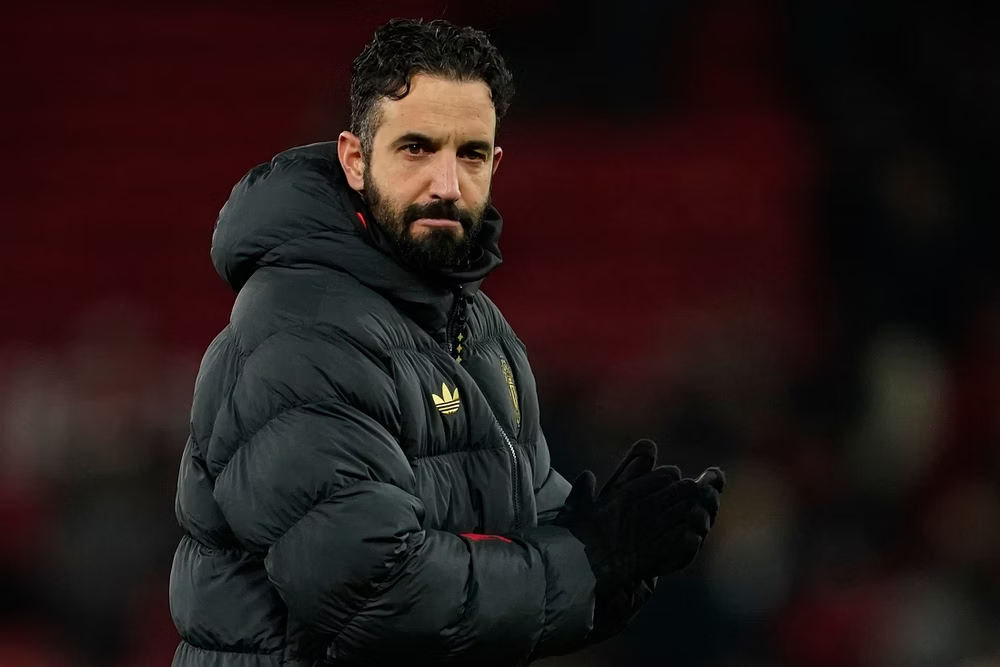
Manchester United Ruben Amorim: Transfer Rumors 2026
The world of football never stands still, and the latest buzz surrounds a potential game-changing move: Manchester United Ruben Amorim. Fans, pundits, and insiders are speculating about what this transfer could mean for one of the Premier League’s most storied clubs. From tactical shifts to squad depth and market dynamics, the excitement around Ruben Amorim’s possible arrival at Old Trafford is palpable.
This article delves deep into the Manchester United Ruben Amorim rumors, exploring the player’s career, the club’s current needs, insider reports, and what this transfer could signify for the team and its fans in 2026.
Who is Ruben Amorim?
Understanding why Manchester United Ruben Amorim is making headlines begins with a look at Amorim’s career and playing style.
Early Career
Ruben Amorim began his football journey in Portugal, quickly establishing himself as a technically gifted midfielder. Known for his tactical intelligence and vision, he rose through the youth ranks of top Portuguese clubs, earning recognition for his composure under pressure and leadership qualities.
Rise to Prominence
-
Key player for prominent Portuguese clubs in domestic leagues
-
Demonstrated strong passing accuracy and spatial awareness
-
Recognized for his ability to control the tempo of matches
-
Gained international attention through performances in European competitions
Current Status
Amorim’s combination of technical skill, versatility, and leadership makes him a highly sought-after player. His ability to influence both attack and defense has made him an attractive candidate for clubs like Manchester United looking to strengthen their midfield options.
Why Manchester United is Interested
Manchester United is constantly seeking ways to improve their squad. The potential addition of Ruben Amorim could address several key objectives for the club.
Strategic Fit
-
Midfield dominance: Amorim’s vision and composure could help United maintain control in central areas
-
Leadership: Adds maturity and guidance for younger players in the squad
-
Tactical flexibility: Can play multiple roles, adapting to different formations
-
Goal contribution: Supports attacks without compromising defensive responsibilities
Club’s Current Situation
Manchester United has faced criticism for inconsistent midfield performances. By adding a player like Amorim, the club could increase squad depth, improve tactical options, and enhance competitiveness in domestic and European competitions.
Transfer Rumors and Insider Reports
The speculation surrounding Manchester United Ruben Amorim has intensified with various reports from sports media, agents, and club insiders.
Key Points of the Rumors
-
Preliminary negotiations between Manchester United and Amorim’s current club
-
Discussions about personal terms including salary and contract duration
-
Estimated transfer fees aligning with high-profile European transfers
-
Rumors of multiple interested clubs creating competitive pressure
Fan and Media Reactions
-
Social media platforms are buzzing with debate and predictions
-
Fans anticipate tactical improvements with Amorim’s arrival
-
Analysts highlight the potential strategic impact on United’s squad
Potential Impact on Manchester United
If the Manchester United Ruben Amorim transfer materializes, it could significantly alter the team’s dynamics.
Tactical Benefits
-
Greater control in the midfield
-
Enhanced attacking and defensive balance
-
Ability to implement flexible formations
-
Leadership and experience added to a squad with younger talent
Squad Dynamics
-
Increased competition for starting positions
-
Possible reshuffling of formations and player roles
-
Improved squad depth for domestic and European campaigns
Fan Excitement
The prospect of signing Amorim has energized supporters, with fan forums and social media channels filled with predictions, excitement, and anticipation for the upcoming season.
Challenges and Considerations
Despite the excitement, the transfer comes with challenges.
Financial Considerations
-
Negotiating a transfer fee acceptable to all parties
-
Salary and bonus structures affecting club budget
-
Agent fees and contractual clauses potentially complicating the deal
Integration Concerns
-
Adapting to the Premier League’s pace and physical demands
-
Building chemistry with current teammates
-
Adjusting to a new manager’s tactical philosophy
Competitive Pressure
-
High expectations from fans and media scrutiny
-
Performance in high-stakes matches could be closely analyzed
-
Maintaining consistency while adapting to a new league environment
Comparing Ruben Amorim to Other Targets
Manchester United has explored several midfield options. Comparing Amorim to other targets highlights why he stands out.
Strengths Compared to Peers
-
Exceptional tactical awareness and game intelligence
-
Experience in European competitions
-
Versatility to play multiple positions
-
Leadership and maturity under pressure
Areas to Monitor
-
Adaptation to a more physical league
-
Developing chemistry with existing squad
-
Media attention and fan expectations
Expert Opinions
Football experts and former players have shared insights regarding Manchester United Ruben Amorim.
Analysts’ Insights
-
Could immediately strengthen United’s midfield
-
Offers a balance of creative and defensive skills
-
Potentially transformative for squad tactics and depth
Former Players’ Commentary
-
Admire Amorim’s adaptability and strategic thinking
-
Highlight professionalism and leadership qualities
-
Consider this signing a logical step for United’s long-term ambitions
Timeline and Next Steps
Negotiations for Manchester United Ruben Amorim could progress rapidly depending on multiple factors.
Likely Steps
-
Preliminary discussions between clubs and agents
-
Agreement on transfer fee and contract terms
-
Medical examination and contract finalization
-
Official announcement to fans
Potential Delays
-
Disagreements over financial terms or bonuses
-
Contract clauses with Amorim’s current club
-
Interest from competing clubs
Fan Reactions and Social Buzz
Fans are actively discussing Manchester United Ruben Amorim across forums, social media, and fan clubs.
Observed Trends
-
High engagement with speculation and predictions
-
Polls suggesting widespread support for the transfer
-
Tactical discussions about how Amorim would fit into United’s squad
Conclusion: Why This Transfer Matters
The Manchester United Ruben Amorim story illustrates how a single transfer can excite fans, shift tactics, and potentially redefine a team’s season. His technical ability, leadership, and versatility make him a high-value prospect.
Whether the move happens or not, the rumors highlight Manchester United’s ambitions and the global interest in top-tier football talent. Fans will continue to watch closely, eagerly anticipating the outcome of this high-profile transfer.

Amy Dowden Thomas Skinner Strictly: Love & Dance Story
Few couples in the world of dance have captured hearts like Amy Dowden Thomas Skinner Strictly. From their first performance on the glittering dance floor to intimate behind-the-scenes moments, their story combines romance, ambition, and a shared passion for dance. Fans of Strictly Come Dancing have followed their journey closely, drawn in not only by their steps and routines but by the genuine connection that shines through every performance.
In this article, we’ll dive deep into the world of Amy Dowden Thomas Skinner Strictly, exploring their careers, personal bond, memorable performances, and why they continue to be a fan-favorite duo in the competitive dance arena.
Early Lives and Dance Beginnings
Amy Dowden
Amy Dowden hails from Wales and has been passionate about dance from a young age. She trained extensively in ballroom and Latin styles, competing in national and international competitions. Her dedication and skill eventually earned her a spot as a professional dancer on Strictly Come Dancing.
Thomas Skinner
Thomas Skinner, known for his calm and disciplined demeanor, discovered a love for dance relatively later. Despite starting later than some professional dancers, his commitment and natural talent allowed him to excel in the demanding environment of Strictly.
Key Early Influences
-
Intensive training programs and dance academies
-
Mentorship from experienced coaches
-
Participation in competitions and performances that shaped their style
Both Amy and Thomas credit their early experiences with instilling a work ethic and love for the art form that would later define their careers on television.
Meeting on Strictly Come Dancing
The story of Amy Dowden Thomas Skinner Strictly begins on the set of the hit dance show. Their initial pairing brought together Amy’s professional expertise and Thomas’s eager, yet disciplined approach to learning complex routines.
First Impressions
-
Immediate chemistry during rehearsals
-
Mutual respect for each other’s work ethic
-
Early moments of laughter and shared struggles learning routines
This foundation of respect and teamwork would eventually grow into a deeper connection beyond the dance floor.
Training and Behind-the-Scenes Moments
Life on Strictly Come Dancing is intense. Hours of rehearsal, the pressure of live performances, and the scrutiny of judges can strain even the strongest partnerships. For Amy Dowden Thomas Skinner Strictly, the journey was a mix of hard work and bonding.
Highlights from Rehearsals
-
Intensive choreography sessions lasting hours
-
Developing trust through lifts, spins, and synchronized moves
-
Emotional moments after perfecting challenging routines
-
Supporting each other during setbacks and mistakes
Fans often see the polished performances on screen, but the dedication behind the scenes reveals the depth of their partnership.
Memorable Performances
Certain routines cemented Amy Dowden Thomas Skinner Strictly as one of the most beloved pairings on the show. Their chemistry, timing, and shared joy were visible in every dance.
Top Routines
-
Latin Salsa: High-energy, precise footwork showcasing Thomas’s agility
-
Ballroom Waltz: Graceful and flowing, highlighting Amy’s technical skill
-
Contemporary Fusion: Emotional storytelling through movement, earning praise from judges
Each performance demonstrated not only technical excellence but also a palpable connection that audiences could feel.
Relationship Development
While their professional pairing was obvious, fans quickly speculated about a personal connection. The evolution of Amy Dowden Thomas Skinner Strictly from dance partners to a rumored off-screen relationship captured public imagination.
Signs of Connection
-
Warm gestures and playful teasing during rehearsals
-
Supportive behavior during high-pressure moments
-
Shared laughter and camaraderie on social media
-
Private moments captured in candid behind-the-scenes clips
Their story resonates because it blends professional collaboration with genuine human connection, something viewers can relate to.
Media Attention and Public Reaction
As their chemistry became more apparent, media outlets and fans began following their journey closely. From interviews to social media interactions, Amy Dowden Thomas Skinner Strictly became a topic of discussion.
Public Perception
-
Widely praised for professionalism and dedication
-
Admired for their mutual respect and teamwork
-
Fans speculate and celebrate their potential romance
-
Featured in news stories highlighting their on-screen chemistry
This attention highlights how celebrity partnerships can captivate audiences both for talent and personality.
Challenges of Dancing and Fame
With fame comes scrutiny. Maintaining a relationship—or even perceived closeness—under the public eye comes with challenges.
Common Pressures
-
Live performance anxiety and technical mistakes
-
Social media commentary and rumors
-
Maintaining personal boundaries off-camera
-
Juggling public appearances with private life
Despite these pressures, Amy and Thomas have managed to stay focused on both dance and personal growth.
Awards, Recognition, and Achievements
Both dancers have received accolades, reflecting their skill, popularity, and dedication.
Notable Achievements
-
Amy Dowden: Professional dance accolades, fan awards for favorite dancer
-
Thomas Skinner: Recognized for rapid improvement and versatility in routines
-
Duo: Numerous fan polls celebrating their on-screen chemistry and performance quality
These recognitions strengthen the credibility of Amy Dowden Thomas Skinner Strictly as an accomplished and respected pairing.
Dance Styles and Techniques
One reason fans love Amy Dowden Thomas Skinner Strictly is the range of styles they’ve tackled.
Popular Styles
-
Latin: Cha-cha, Samba, Rumba
-
Ballroom: Waltz, Tango, Foxtrot
-
Contemporary: Fusion of ballet and modern movement
-
Jive and Quickstep for high-energy segments
Their versatility demonstrates both technical skill and adaptability—key traits in professional dance.
Lessons from Their Journey
There are takeaways for both dancers and fans from watching Amy Dowden Thomas Skinner Strictly:
Key Lessons
-
Trust and communication are essential in partnerships
-
Practice and patience lead to excellence
-
Embracing challenges strengthens personal and professional bonds
-
Balancing public scrutiny with personal privacy is crucial
These lessons extend beyond dance, offering insights into teamwork, dedication, and perseverance.
Future Prospects
The future looks bright for Amy Dowden Thomas Skinner Strictly, whether they continue on the show, collaborate in other performances, or explore personal projects.
Possible Developments
-
Special live tours or performances
-
Dance workshops or masterclasses
-
Continued media appearances highlighting their partnership
-
Potential personal milestones fans eagerly anticipate
Their ongoing journey keeps audiences engaged and invested in both their professional and personal growth.
Conclusion: Why Fans Adore Amy and Thomas
The story of Amy Dowden Thomas Skinner Strictly is compelling because it blends talent, dedication, and human connection. Fans are drawn to their performances, inspired by their partnership, and fascinated by their evolving story both on and off the dance floor.
Their journey illustrates that the magic of dance isn’t just in technical skill—it’s in trust, chemistry, and the joy of creating something together. Whether you’re a fan of ballroom, Latin, or contemporary routines, Amy and Thomas offer lessons in passion, commitment, and collaboration.
What’s your favorite moment from Amy Dowden Thomas Skinner Strictly? Share your thoughts and celebrate one of the most captivating dance partnerships in recent Strictly Come Dancing history.

Freesat Box: Ultimate Guide for First-Time Users

Manchester United Ruben Amorim: Transfer Rumors 2026

Amy Dowden Thomas Skinner Strictly: Love & Dance Story

Lizzo Weight Loss: A Journey of Empowerment and Self-Love

Kuromi: The Mischievous Icon of Kawaii Culture

عيد الاضحى 2025: A Celebration of Faith, Sacrifice, and Unity
-
 Lifestyle10 months ago
Lizzo Weight Loss: A Journey of Empowerment and Self-Love
-
 Game9 months ago
Kuromi: The Mischievous Icon of Kawaii Culture
-
 Events10 months ago
عيد الاضحى 2025: A Celebration of Faith, Sacrifice, and Unity
-

 Celebrity9 months ago
The Enchanting World of the Labubu Doll: A Collectible Phenomenon
-

 Game10 months ago
Bubble Mouse Blast: The Addictive Puzzle Game Captivating Players Worldwide
-

 Celebrity9 months ago
The Rise, Fall, and Legacy of Frank Fritz: A Journey Through Fame and Adversity
-

 Politics8 months ago
2024 US Election Results Trump’s Comeback & Political Impact
-

 Lifestyle7 months ago
Auggie Savage: Rise, Career Journey, and Inspiring Story