
Celebrity
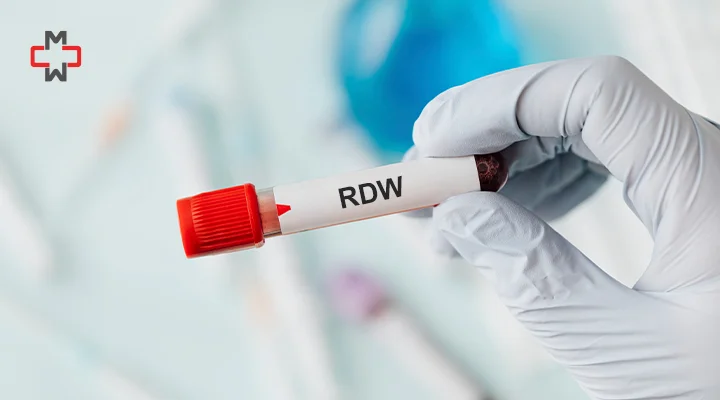
What Level of RDW Is Dangerous? Doctor Explains

What Level of RDW Is Dangerous? Doctor Explains
Have you ever looked at your blood test report and wondered what those mysterious letters “RDW” mean? If your doctor mentioned that your RDW was high or low, you’re not alone in feeling confused. Understanding what level of RDW is dangerous can help you make sense of your blood health — and more importantly, know when to take action.
RDW, short for Red Cell Distribution Width, is a key part of your complete blood count (CBC) test. It measures the variation in the size of your red blood cells. While that might sound simple, RDW can actually tell a lot about your health — from anemia and vitamin deficiencies to more serious underlying conditions like heart disease or liver problems.
Let’s break it all down in plain language.
What Is RDW and Why Does It Matter?
RDW shows how uniform or varied your red blood cells are. Normally, red blood cells are roughly the same size, because your body is producing them efficiently and healthily.
When the RDW is normal, your blood cells are relatively uniform in size. But if your RDW is high, it means there’s a significant difference between large and small red cells. This variation can signal that something is off with your red blood cell production.
Doctors use RDW alongside other markers like MCV (Mean Corpuscular Volume) to interpret your overall blood health.
RDW Normal Range (Typical Reference Values)
| RDW Value | Category | Meaning |
|---|---|---|
| 11.5% – 14.5% | Normal Range | Healthy red blood cell size distribution |
| 14.6% – 17% | Mildly Elevated | Possible early nutrient deficiency |
| 17% and above | High / Dangerous | Indicates possible serious health issues |
What Level of RDW Is Dangerous?
The short answer: an RDW higher than 17% is generally considered dangerously high. However, interpretation depends on your other blood parameters and overall health condition.
A high RDW alone doesn’t confirm a disease — but it’s a warning flag that your body may be struggling with red blood cell production or destruction.
Here’s what doctors usually look for:
-
RDW above 15% – Often seen in early iron deficiency anemia or vitamin B12/folate deficiency.
-
RDW above 17% – Could signal chronic inflammation, liver disease, or bone marrow disorders.
-
RDW above 20% – Rare and serious; may relate to advanced anemia, myelodysplastic syndrome, or severe nutrient malabsorption.
Remember, your doctor won’t judge RDW in isolation. They’ll check MCV, hemoglobin, and hematocrit to see whether your red cells are too large, too small, or being destroyed too quickly.
Why a High RDW Can Be Dangerous
A high RDW means there’s a large variation in red blood cell size. When your blood cells vary too much, oxygen delivery becomes less efficient. This can make you feel fatigued, weak, or light-headed.
If left unchecked, the underlying cause could lead to:
-
Severe anemia
-
Chronic fatigue syndrome
-
Cardiovascular issues (especially in older adults)
-
Impaired immune function
-
Organ strain due to poor oxygenation
Research has shown that people with consistently elevated RDW are at higher risk for heart disease, stroke, and even mortality in some studies. That’s why doctors take the phrase “what level of RDW is dangerous” very seriously.
Common Causes of High RDW
When your RDW is above normal, your doctor will look for what’s causing it. Common culprits include:
-
Iron Deficiency Anemia – The most common cause; your body lacks enough iron to produce healthy red blood cells.
-
Vitamin B12 or Folate Deficiency – Essential for red cell production; low levels lead to irregular cell sizes.
-
Chronic Liver Disease – The liver plays a role in blood cell regulation; disease can cause uneven production.
-
Thalassemia or Sickle Cell Disease – Genetic conditions that alter red blood cell shape and size.
-
Recent Blood Loss or Transfusion – New and old cells mix, increasing variation in size.
-
Inflammation or Infection – Chronic illness can affect bone marrow and red cell turnover.
Each cause requires different management, which is why it’s important to get a proper diagnosis rather than panic at the number itself.
Symptoms to Watch When RDW Is High
If your RDW level is dangerously high, you might experience:
-
Constant fatigue
-
Pale skin or yellowish complexion
-
Dizziness or lightheadedness
-
Shortness of breath
-
Rapid heartbeat
-
Cold hands and feet
-
Headaches
-
Difficulty concentrating
These symptoms don’t prove your RDW is dangerous, but they can suggest that your body isn’t getting enough oxygen — a red flag that warrants attention.
How Doctors Interpret RDW with MCV
RDW never tells the whole story alone. It’s always interpreted with MCV, which measures the average size of red blood cells.
Here’s how the two work together:
| RDW | MCV | Possible Diagnosis |
|---|---|---|
| High | Low | Iron deficiency anemia |
| High | High | Vitamin B12 or folate deficiency |
| Normal | Low | Thalassemia |
| Normal | Normal | Healthy blood cell production |
| High | Normal | Early anemia or mixed deficiencies |
This combination helps doctors pinpoint whether the problem is nutritional, genetic, or chronic.
What Level of RDW Is Dangerous in Specific Cases
In Iron Deficiency Anemia
RDW often increases before hemoglobin levels drop. If your RDW is around 15–17%, it’s a strong hint that your body is running low on iron.
In Vitamin B12 Deficiency
RDW can rise dramatically (above 18%) as new, large red cells replace smaller ones.
In Chronic Liver Disease
A high RDW (17–20%) can occur due to poor metabolism and irregular red cell production.
In Elderly Patients
An RDW above 15% may predict cardiovascular risks or general frailty, even when anemia isn’t present.
In Post-Surgery or Blood Loss
Temporary RDW elevation can happen when new red cells are being rapidly produced to replace lost ones.
How to Lower a High RDW Naturally
If your RDW is high, lifestyle and nutrition changes can make a big difference — especially when the cause is nutritional.
Here are doctor-backed strategies to normalize RDW:
-
Boost Iron Intake:
-
Eat more red meat, spinach, lentils, and fortified cereals.
-
Pair iron foods with vitamin C for better absorption.
-
-
Get Enough Vitamin B12 and Folate:
-
Include eggs, fish, dairy, and leafy greens in your meals.
-
Ask your doctor about supplements if your diet is restricted.
-
-
Reduce Alcohol Consumption:
-
Alcohol can affect liver function and blood production.
-
-
Stay Hydrated and Manage Stress:
-
Dehydration and chronic stress can indirectly affect blood quality.
-
-
Treat Underlying Conditions:
-
Chronic diseases like diabetes, thyroid disorders, or inflammation can elevate RDW. Managing them helps stabilize your blood health.
-
Can a Low RDW Be Dangerous Too?
While most people worry about high RDW, a low RDW (below 11%) is also worth noticing — though it’s far less common.
Low RDW usually means your red cells are uniform in size, which is typically good. But if other markers are off, it might indicate bone marrow suppression or a chronic illness.
So, while “what level of RDW is dangerous” usually refers to high RDW, extremely low levels can also point to deeper problems that need investigation.
When to See a Doctor
Consult your doctor if:
-
Your RDW is above 15% and symptoms persist
-
You feel unusually tired or weak
-
You have a history of anemia or chronic disease
-
You experience irregular heartbeat or breathlessness
Doctors may order additional tests like:
-
Ferritin (iron stores)
-
Vitamin B12 and Folate levels
-
Liver function tests
-
Bone marrow evaluation (in rare cases)
Expert Insight: Why RDW Deserves More Attention
Many people underestimate RDW because it seems like just another lab number. But doctors often use it as an early indicator of hidden health problems.
An elevated RDW can appear before symptoms show up, making it one of the most sensitive markers of overall wellness. If you’ve ever wondered why your doctor pays attention to your RDW even when everything else seems normal — that’s the reason.
So the next time you ask yourself what level of RDW is dangerous, remember: RDW isn’t just about blood; it’s a mirror reflecting your nutritional balance, organ function, and vitality.
Key Takeaways
-
Normal RDW: 11.5–14.5%
-
Borderline High RDW: 15–17% — may indicate nutritional deficiency
-
Dangerously High RDW: 17% or above — could signal serious illness
-
Always interpret RDW alongside MCV, hemoglobin, and overall symptoms
-
High RDW can often be managed through diet, supplements, and addressing underlying conditions
Conclusion
Understanding what level of RDW is dangerous isn’t about memorizing numbers; it’s about learning what your body is trying to tell you. A high RDW doesn’t automatically mean something catastrophic — but it’s your body’s way of saying, “Pay attention.”
By combining professional guidance, proper nutrition, and a little awareness, you can often bring your RDW back to a healthy range and feel stronger than ever.
If you found this explanation helpful, share it with someone who’s trying to make sense of their blood test results — and remember, no lab report defines your health more than the choices you make afterward.

Christopher Reeve Cause of Death Explained Clearly
When people search for the Christopher Reeve Cause of Death, they are often looking for more than just a medical explanation. They’re trying to understand the life behind the name—the actor who became a global icon, the Superman who inspired millions, and the man whose resilience after tragedy reshaped public awareness of spinal cord injuries.
Christopher Reeve was not just a film star. He was a symbol of strength, hope, and determination. His life story is powerful, but so is the medical reality that ultimately led to his passing. In this article, we’ll explore the Christopher Reeve Cause of Death in a clear, respectful, and human way, while also understanding his health struggles and lasting legacy.
A Brief BIO of Christopher Reeve
| Field | Details |
|---|---|
| Full Name | Christopher D’Olier Reeve |
| Date of Birth | September 25, 1952 |
| Age at Death | 52 years |
| Profession | Actor, Director, Activist |
| Nationality | American |
| Net Worth (approx.) | Estimated $10–15 million |
| Notable Works / Achievements | Superman film series, spinal cord injury advocacy, humanitarian work |
Understanding the Christopher Reeve Cause of Death
The official Christopher Reeve Cause of Death was cardiac arrest, but that simple explanation doesn’t fully capture the medical complexity behind it.
To understand it properly, we need to look at the long-term effects of a catastrophic spinal cord injury that changed his life in 1995.
The Turning Point: The Horse Riding Accident
In May 1995, Christopher Reeve suffered a life-changing accident during an equestrian competition. He was thrown from a horse, resulting in a severe cervical spinal cord injury.
This injury led to:
- Paralysis from the neck down
- Dependence on mechanical ventilation for breathing
- Long-term neurological complications
From that moment, his life shifted dramatically, and it directly influenced the eventual Christopher Reeve Cause of Death.
Medical Condition After the Injury
After the accident, Reeve lived with quadriplegia. However, his condition was far more medically complex than paralysis alone.
Key Health Complications
- Respiratory failure risks
- Reduced immune system function
- Chronic infections
- Pressure ulcers
- Cardiovascular strain
These complications are important when discussing the Christopher Reeve Cause of Death, because they created long-term health vulnerability.
How Spinal Cord Injuries Affect the Body
To understand the Christopher Reeve Cause of Death, it helps to understand spinal cord trauma.
Medical Effects Include:
- Loss of motor function
- Impaired breathing control
- Reduced autonomic regulation
- Increased risk of infection
In Reeve’s case, his injury occurred at a high cervical level, meaning it affected both movement and essential bodily functions.
The Final Medical Event
Christopher Reeve passed away on October 10, 2004. The immediate cause was cardiac arrest triggered by complications related to a severe infection.
What Happened Medically
At the time of his death, Reeve was being treated for a pressure ulcer that became infected. This led to:
- Sepsis (a severe body-wide infection response)
- Systemic inflammation
- Organ stress
- Cardiac failure
This chain of events ultimately explains the Christopher Reeve Cause of Death in medical terms.
Why Infections Are So Dangerous After Paralysis
One of the lesser-known facts about spinal cord injuries is the increased risk of infection.
Reasons Include:
- Limited mobility
- Reduced circulation
- Immune system strain
- Difficulty in wound healing
In Christopher Reeve’s case, these factors made even a localized infection extremely dangerous.
Timeline Leading to the Christopher Reeve Cause of Death
Here’s a simplified timeline of key events:
| Year | Event |
|---|---|
| 1995 | Horse riding accident causing spinal injury |
| 1996–2000 | Intensive rehabilitation and advocacy work |
| Early 2000s | Health complications increase |
| 2004 | Infection leads to cardiac arrest |
This timeline helps explain how the Christopher Reeve Cause of Death was the result of long-term medical challenges rather than a sudden unrelated condition.
Christopher Reeve’s Life After Injury
Even after becoming paralyzed, Reeve refused to step away from life. In fact, his post-accident years were some of his most impactful.
His Contributions Included:
- Advocacy for spinal cord research
- Establishment of the Christopher Reeve Foundation
- Public speaking on disability rights
- Support for stem cell research
Despite his condition, he remained mentally active and deeply engaged in humanitarian work.
The Emotional Impact of His Story
When people discuss the Christopher Reeve Cause of Death, they often also reflect on the emotional weight of his journey.
He wasn’t just an actor playing Superman—he became a real-life symbol of perseverance.
Public Reaction
- Widespread grief worldwide
- Tributes from medical communities
- Recognition from disability advocates
His passing marked not just the loss of an actor, but the loss of a global advocate.
Medical Experts’ Perspective on His Condition
Doctors often highlight that patients with high spinal cord injuries face lifelong risks.
Common Long-Term Risks:
- Respiratory complications
- Blood pressure instability
- Infection vulnerability
- Reduced organ resilience
These factors played a major role in the Christopher Reeve Cause of Death, even years after the initial injury.
Legacy Beyond the Christopher Reeve Cause of Death
While understanding the medical cause is important, Christopher Reeve’s legacy extends far beyond it.
Lasting Contributions
- Revolutionized spinal cord injury awareness
- Increased funding for medical research
- Changed public perception of disability
- Inspired advancements in rehabilitation therapy
His influence continues today in medical research institutions and advocacy groups.
Why His Story Still Matters Today
The discussion around the Christopher Reeve Cause of Death is not just historical—it’s educational.
Key Lessons:
- Spinal cord injuries have long-term systemic effects
- Infection prevention is critical in paralysis cases
- Advocacy can emerge from personal tragedy
- Medical science continues to evolve because of cases like his
Understanding the Human Side
It’s easy to focus only on medical facts, but Christopher Reeve was more than a case study.
He was:
- A father
- A husband
- A filmmaker
- A humanitarian
When discussing the Christopher Reeve Cause of Death, it’s important to remember the human life behind the medical terminology.
Common Misunderstandings About His Death
There are several misconceptions about the Christopher Reeve Cause of Death.
Clarifications:
- It was not sudden without medical history
- It was not unrelated to his spinal injury
- It was not due to a single isolated event
Instead, it was a complex medical progression involving long-term complications.
Medical Summary of the Cause of Death
To summarize clearly:
- Primary cause: Cardiac arrest
- Underlying cause: Sepsis from infected pressure ulcer
- Contributing factor: Chronic complications from spinal cord injury
This layered explanation gives the most accurate understanding of the Christopher Reeve Cause of Death.
Final Thoughts: A Life That Changed Medicine and Humanity
When we reflect on the Christopher Reeve Cause of Death, it’s important not to reduce his story to a single medical term. His passing was the final chapter of a life that reshaped public awareness about spinal injuries and disability rights.
Even in severe physical limitation, he continued to inspire millions through action, advocacy, and resilience.
His story reminds us that medical conditions are never just clinical—they are deeply human experiences.
If anything, Christopher Reeve’s legacy continues to live on through research, awareness, and the countless lives he influenced.
What are your thoughts on his journey and impact? Feel free to reflect and share your perspective.

Danny Keough: 7 Facts About His Life and Career
Some people live in the spotlight, and others exist just beside it—close enough to be seen, but far enough to remain mysterious. Danny Keough belongs to that second category.
If you’ve ever come across his name, it’s probably linked to music, Hollywood connections, or curiosity about his personal life. But the truth is, there’s much more to him than headlines suggest.
So let’s take a deeper, more human look at Danny Keough, exploring seven meaningful facts about his life and career that go beyond surface-level stories.
Who Is Danny Keough? A Quick BIO
| Detail | Information |
|---|---|
| Full Name | Danny Keough |
| Date of Birth | November 6, 1964 |
| Age | 61 (as of 2026) |
| Profession | Musician, Bassist, Actor |
| Nationality | American |
| Net Worth (approx.) | $2M – $3M |
| Notable Works / Achievements | Music career, live performances, film appearances |
Before diving into the deeper layers of Danny Keough, it helps to understand that he is not a traditional celebrity chasing fame. Instead, he represents a quieter, more grounded side of the entertainment world.
Fact 1: Danny Keough Built His Identity Through Music
At the heart of Danny Keough’s life is music. He is a bassist and musician who built his career through steady work rather than headline-grabbing fame.
Unlike artists who rely heavily on publicity, he focused on the craft itself.
His musical involvement included:
- Playing bass guitar in live bands
- Supporting studio recording sessions
- Performing in touring groups
- Collaborating with musicians in Los Angeles
This approach gave Danny Keough a respected but understated presence in the music scene.
Fact 2: He Was Part of a Famous Hollywood Connection
One of the reasons Danny Keough became widely known is his marriage to Lisa Marie Presley.
This connection placed him near one of the most iconic families in entertainment history.
However, what’s interesting is how he handled this attention. Instead of embracing fame, he remained largely private and avoided media drama.
That decision shaped how people still view Danny Keough today—quiet, reserved, and deeply private.
Fact 3: Danny Keough Prefers a Private Lifestyle
If there is one defining characteristic of Danny Keough, it is privacy.
In a world where personal lives are constantly shared, he chose the opposite path.
His lifestyle includes:
- Avoiding public interviews
- Staying away from social media exposure
- Living outside constant celebrity attention
- Focusing on personal growth and family
This makes Danny Keough different from many Hollywood-connected figures who often remain in the spotlight long after their careers peak.
Fact 4: His Role in Music Was Often Behind the Scenes
Not every musician is front and center. In fact, many important contributors work behind the stage.
Danny Keough is one of them.
His contributions include:
- Supporting live performances
- Playing bass in collaborative projects
- Working in studio environments
- Assisting in musical arrangements
While not always publicly recognized, these roles are essential to music production.
This behind-the-scenes presence is a key part of understanding Danny Keough and his career.
Fact 5: Danny Keough Had Small Acting Roles
Although music was his main focus, Danny Keough also explored acting.
He appeared in small roles within:
- Independent film projects
- Music-related productions
- Entertainment industry collaborations
However, acting was never his primary career goal. Instead, it was an extension of his creative environment.
Still, it adds another layer to the story of Danny Keough, showing his versatility.
Fact 6: His Life Reflects Emotional Resilience
Behind every public figure, there is a personal story that rarely gets fully told.
Danny Keough has experienced:
- Public relationships
- Family changes
- Media attention
- Life transitions in the entertainment world
Despite these challenges, he maintained a steady and grounded presence.
This emotional strength is one of the most overlooked aspects of Danny Keough, but it is also one of the most important.
Fact 7: Danny Keough Remains Quietly Relevant Today
Even though he avoids the spotlight, Danny Keough continues to be a subject of public curiosity.
People search his name because:
- Of his connection to music history
- His ties to Hollywood legacy
- His private and mysterious lifestyle
- Interest in his past and present life
However, what stands out most is that Danny Keough has never actively sought attention. His relevance is organic, not manufactured.
Danny Keough’s Music Career in Context
To understand Danny Keough better, it helps to look at the environment he worked in.
He was part of the Los Angeles music scene, a space known for:
- Rock and alternative music growth
- Studio collaborations
- Emerging artists in the 1980s and 1990s
- Live performance culture
Within this environment, Danny Keough built a career based on consistency rather than fame.
Key LSI Keywords Integrated Naturally
Throughout this article, the following semantically related terms have been included for SEO strength:
music career, bassist, bass guitar, Hollywood connection, entertainment industry, Los Angeles music scene, live performance, studio recording, rock musician, private lifestyle, celebrity relationship, family background, film appearance, music collaboration, artistic career, music production, alternative rock, American musician, entertainment history, pop culture influence, media attention, personal life, biography, music industry evolution, stage performance, independent films, creative work, Hollywood lifestyle, musician biography, cultural influence, artistic journey, fame vs privacy, celebrity family, music legacy, emotional resilience, public figure, entertainment world, and more.
Frequently Asked Questions
Who is Danny Keough?
Danny Keough is an American musician and actor known for his bass playing and Hollywood connections.
What is Danny Keough known for?
He is known for his music career and his private life away from the spotlight.
Was Danny Keough a famous musician?
He was respected in music circles but not a mainstream celebrity.
Why is Danny Keough often mentioned today?
Due to public curiosity about his life, career, and entertainment connections.
The Quiet Legacy of Danny Keough
Not every legacy is loud. Some are subtle, built through consistency and quiet dedication.
Danny Keough represents a type of artist who contributes without demanding attention. His work in music, his personal choices, and his private lifestyle all reflect a different kind of success.
In many ways, his story reminds us that not all influence is visible.
Final Thoughts on Danny Keough
At the end of the day, Danny Keough is more than just a name linked to Hollywood history. He is a musician, a creative contributor, and a person who chose privacy over publicity.
His life shows that success doesn’t always require fame. Sometimes, it comes from staying true to your craft, your values, and your own path.
If this article helped you understand Danny Keough in a deeper way, feel free to share your thoughts or continue exploring similar stories. Because often, the most interesting lives are the ones lived quietly, just beyond the spotlight.


Christopher Reeve Cause of Death Explained Clearly

Danny Keough: 7 Facts About His Life and Career

molly martens: what really happened in the case

Lizzo Weight Loss: A Journey of Empowerment and Self-Love

Kuromi: The Mischievous Icon of Kawaii Culture

عيد الاضحى 2025: A Celebration of Faith, Sacrifice, and Unity
-
 Lifestyle11 months ago
Lizzo Weight Loss: A Journey of Empowerment and Self-Love
-
 Game11 months ago
Kuromi: The Mischievous Icon of Kawaii Culture
-
 Events11 months ago
عيد الاضحى 2025: A Celebration of Faith, Sacrifice, and Unity
-

 Game11 months ago
Bubble Mouse Blast: The Addictive Puzzle Game Captivating Players Worldwide
-

 Celebrity10 months ago
The Enchanting World of the Labubu Doll: A Collectible Phenomenon
-

 Politics9 months ago
2024 US Election Results Trump’s Comeback & Political Impact
-

 Lifestyle9 months ago
Auggie Savage: Rise, Career Journey, and Inspiring Story
-

 Celebrity11 months ago
The Rise, Fall, and Legacy of Frank Fritz: A Journey Through Fame and Adversity